An aging furnace rarely fails all at once. More often it gives warning signs for months or years before it quits entirely: rising gas bills, uneven heat from room to room, a burner that struggles to ignite, or a blower that rattles louder each season. In Chardon, OH, where winter temperatures regularly drop into the teens and lake-effect snow can blanket the region for days, a heating system on its last legs is more than an inconvenience. It is a genuine safety concern. When the time comes to stop patching an old unit and install a new one, understanding how a heating replacement works helps you make a confident, well-informed decision.
Recognizing When Replacement Is the Right Call
Most residential furnaces last between 15 and 20 years with proper care. Heat pumps typically serve 10 to 15 years. As a system approaches or passes these marks, the economics begin to shift. Repair bills grow larger and more frequent, replacement parts for older models become harder to source, and efficiency drops well below what a modern unit delivers. A furnace manufactured two decades ago may operate at 65 to 70 percent efficiency, meaning a third of the fuel you pay for never becomes usable heat. Today’s high-efficiency condensing furnaces reach 95 percent or higher.
Several clear signals point toward replacement rather than another repair. When you notice these conditions together, the case for a new system grows stronger:
- Frequent repairs: Two or more service calls in a single heating season on the same aging unit
- Climbing energy costs: Steadily rising bills with no change in how you heat your home
- Uneven comfort: Some rooms stay cold while others overheat no matter how the thermostat is set
- Visible wear: Rust, cracks, or corrosion on the heat exchanger or cabinet
- Strange noises or odors: Banging, grinding, or a persistent burning smell when the system runs
A cracked heat exchanger deserves special attention because it can allow carbon monoxide to enter your living space. When our technicians find one, we will explain the finding plainly and never pressure you. Our goal at Lew's Reliable Heat & A/C is to give you the facts so you can decide what makes sense for your home and budget.
How We Size a Replacement System for Your Home
Dropping in a new furnace of the same size as the old one is a common shortcut, and it often leads to problems. Homes change over the years. Windows get replaced, attics get insulated, additions get built. The right way to specify a replacement begins with a load calculation, often called a Manual J, which measures the actual heating demand of your home based on square footage, ceiling height, insulation levels, window area, and local climate data for the Chardon area.
An oversized furnace short-cycles, turning on and off too quickly to run efficiently or heat evenly. An undersized one runs constantly and still struggles on the coldest nights. Correct sizing delivers steady, even warmth while keeping fuel use low. We take the time to measure and calculate rather than guess. This step also guides decisions about ductwork, because a new high-efficiency system may move air differently than the unit it replaces, and existing ducts sometimes need adjustment to handle the change in airflow.
The Replacement Process From Start to Finish
A professional heating replacement follows a logical sequence that protects your home and ensures the new system performs as designed. When you schedule the work with us, here is how the project typically unfolds:
- In-home assessment: We inspect your current system, measure your home, review your comfort concerns, and perform the load calculation
- System recommendation: We present suitable furnace or heat pump options, explaining efficiency ratings, features, and what each means for your daily comfort
- Removal of the old unit: We disconnect gas, electrical, and venting connections safely and haul the old equipment away
- Installation of the new system: We set the new unit, connect fuel and electrical supplies, fit venting, and integrate the thermostat
- Testing and commissioning: We fire the system, check combustion, verify airflow, confirm safety controls, and walk you through operation before we leave
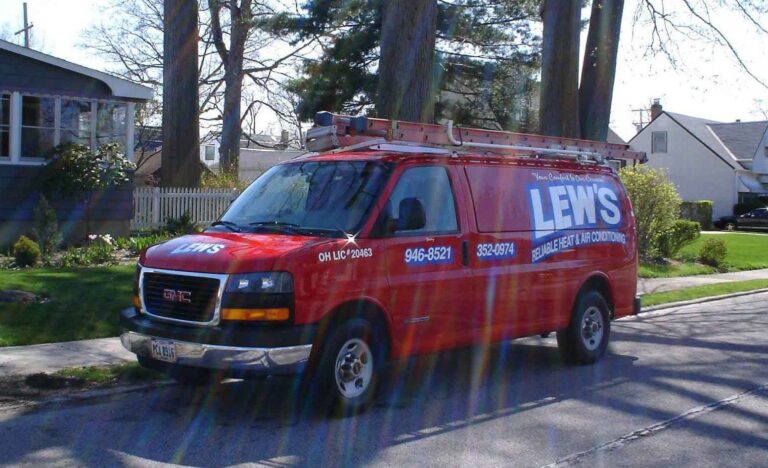
Throughout the project our NATE-certified technicians treat your home with respect, laying down protective coverings and cleaning up thoroughly when the work is finished. Lew's Reliable Heat & A/C is a second-generation, family-owned heating and air conditioning sales and service company established by Lew Schwentner in 1970. For more than 49 years we have served residents of Lake and Geauga counties, and that experience shows in how carefully we handle every replacement.
Technical Details That Affect Your New System
Modern heating equipment offers options that older units never had, and understanding them helps you choose wisely. Furnace efficiency is measured by Annual Fuel Utilization Efficiency, or AFUE. A 95 percent AFUE furnace converts nearly all its fuel into heat, with only a small fraction lost through the vent. High-efficiency condensing furnaces achieve this by capturing heat from combustion gases that standard furnaces simply exhaust, which is why they require a condensate drain and a specialized PVC venting arrangement.
Blower technology also matters. A single-stage furnace runs at full capacity whenever it operates. A two-stage model can run at a lower output during milder weather, improving comfort and efficiency. Variable-speed blower motors go further, adjusting airflow continuously to maintain even temperatures and quieter operation while using less electricity. For homes heated with a heat pump, the Heating Seasonal Performance Factor, or HSPF, rates heating efficiency, and modern inverter-driven models maintain strong output even as outdoor temperatures fall. During the installation we also confirm that gas pressure, combustion air, and venting all meet code and manufacturer specifications, because correct setup is what allows a quality unit to deliver its rated performance for years.
Why Chardon Homeowners Choose Us for Replacement
Replacing a heating system is a significant investment, and the installer matters as much as the equipment. A premium furnace installed poorly will underperform and fail early, while a well-matched system installed correctly will provide reliable warmth for decades. When you call Lew's Reliable Heat & A/C, a friendly voice answers the phone and arranges for a highly trained technician to come out promptly. Some of our technicians have been part of the family here for over 20 years, and that continuity means the person planning your replacement has seen countless Chardon homes and knows the local climate firsthand.
Our motto is fast repairs, fixed right, and the same commitment to doing the job properly guides every replacement we perform. Today the company is owned and managed by Lew Schwentner’s youngest daughter, Lisa Joles, who learned the trade accompanying her father on service calls from the time she was a little girl. “Our goal is to provide exceptional service, reasonable rates, and lasting comfort to all of our customers,” says Lisa Joles. High standards are maintained by each member of our courteous staff, and satisfied customers have been telling their friends and family members about the expertise, quality of work, and integrity we provide for years.
Beyond Chardon, we serve homeowners throughout the surrounding region, including Fairport Harbor, Painesville, Mentor, and Concord Township, OH. Whether your furnace quit on the coldest night of the year or you simply want to replace an aging unit before it fails, we help you weigh your options honestly and install a system built to keep your home comfortable through every Ohio winter. Reach out to Lew's Reliable Heat & A/C to schedule an assessment and take the first step toward dependable, efficient heat you can count on year after year.